The evolution of gambling tracing its historical roots through time
The Ancient Beginnings of Gambling
The origins of gambling can be traced back thousands of years to ancient civilizations. Evidence suggests that as far back as 3000 BC, people in Mesopotamia were using dice made from animal bones for games of chance. This form of gaming laid the foundation for future gambling practices. Ancient Chinese records also mention a game of chance that resembles modern lotteries, indicating that the desire to test luck and fate has been a part of human culture for millennia. Today, people enjoy a variety of options, including cricket betting sites, which enhance the modern gaming experience.
As societies evolved, so did gambling methods. The Romans, for instance, integrated games of chance into their festivities. They played a variety of gambling games, including betting on gladiator fights and using dice in their leisure time. This popularization of gambling during the Roman Empire not only entertained the masses but also provided a means for the government to generate revenue through taxes on winnings, setting a precedent for the regulation of gambling.
The influence of gambling spread across continents, adapting to the cultural contexts of various societies. In India, games like “Pachisi” and “Chaupar” became popular, while in the Middle East, the development of card games such as “Ganjifa” took root. Each region put its unique spin on gambling, showing that the allure of risk and reward was a universal trait, making gambling an enduring part of human experience.
The Rise of Casinos in the Middle Ages
The Middle Ages marked a significant shift in the evolution of gambling with the establishment of dedicated gambling houses. In Venice, Italy, the first official casino, known as the “Ridotto,” opened in 1638, offering a regulated environment for gamblers. This development was crucial as it established a formal setting where gambling was both organized and supervised, which helped to mitigate the social issues often associated with unregulated gambling.
During this time, various games became standardized, leading to the creation of rules and guidelines. The introduction of card games like poker and blackjack during this period highlighted the growing sophistication of gambling practices. These games, often played in taverns and private homes, paved the way for the modern versions we know today, showing how gambling adapted to the tastes and preferences of players throughout the ages.
As the concept of the casino spread across Europe, so too did the regulations surrounding gambling. By the late 17th century, French gaming houses began to flourish, incorporating roulette and other popular games. This growth signaled a shift from informal gambling to a structured entertainment industry, reflecting society’s changing attitudes toward risk and chance.
The Transformation in the 19th Century
The 19th century brought about revolutionary changes in the gambling landscape, particularly with the advent of the Industrial Revolution. Increased urbanization and the rise of the middle class resulted in a surge of interest in leisure activities, including gambling. The establishment of large-scale casinos in cities like Monte Carlo transformed the perception of gambling from a vice to a glamorous activity associated with high society and leisure.
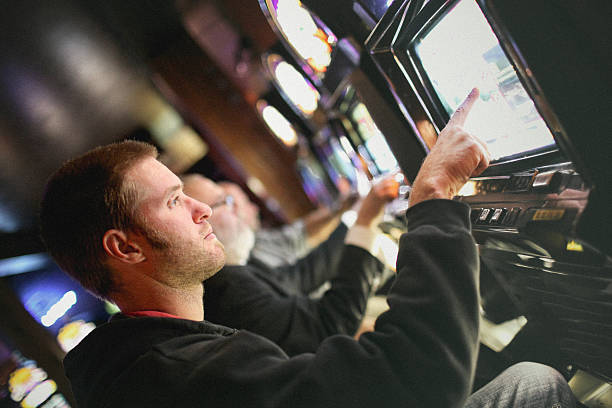
Additionally, innovations such as the introduction of the slot machine in the late 1800s made gambling more accessible to the masses. These machines, which offered random payouts with minimal effort, attracted a wider audience and revolutionized the gambling industry. The allure of these one-armed bandits not only contributed to the revenue of casinos but also highlighted the growing trend of gambling as a popular pastime for individuals from various socio-economic backgrounds.
The 19th century also saw the establishment of legalized betting on horse races, which further popularized gambling as a legitimate activity. Racing tracks became hubs of social interaction, where betting was not only encouraged but celebrated. This integration of gambling into mainstream culture laid the groundwork for the diverse range of betting opportunities that exist today, showcasing the evolution of gambling from its historical roots to a widespread form of entertainment.
The Digital Revolution and Online Gambling
The late 20th and early 21st centuries marked a monumental shift in the gambling landscape with the rise of the internet. Online gambling emerged in the mid-1990s, offering a new avenue for players to engage in gaming from the comfort of their homes. This digital evolution has revolutionized how people participate in gambling, breaking geographical barriers and providing unparalleled convenience.
Online casinos and betting platforms have introduced a plethora of games, often with more variations than traditional brick-and-mortar establishments. Players can now access a wide range of options, from classic card games to innovative slot machines, enhancing their gaming experience. The introduction of live dealer games further bridges the gap between online and traditional gambling, providing an interactive experience that replicates the casino atmosphere.
The rise of mobile technology has further accelerated this trend, with apps allowing users to gamble anytime, anywhere. The increasing acceptance of online gambling has also led to greater regulatory oversight, with various jurisdictions establishing frameworks to ensure fair play and responsible gaming. This evolution reflects a significant shift in societal attitudes towards gambling, embracing it as a legitimate form of entertainment for millions globally.
Future Trends in Gambling
The future of gambling is poised for continued transformation, driven by technological advancements and changing consumer preferences. With the integration of virtual reality (VR) and augmented reality (AR), immersive gaming experiences are on the horizon, allowing players to engage in more lifelike casino environments. This technological leap has the potential to redefine the gambling experience, appealing to a younger generation of gamblers who seek engagement beyond traditional methods.
Additionally, the increasing popularity of cryptocurrency as a payment option is likely to reshape the gambling industry. Many online casinos are beginning to accept digital currencies, providing added security and anonymity for players. This shift towards decentralized payment methods may also attract a tech-savvy audience, further diversifying the gambling demographic.
Moreover, with the ongoing discussion surrounding responsible gambling, the future will likely see enhanced features aimed at promoting safer gambling practices. Implementing AI technology can help identify problematic behaviors and provide players with tools to manage their gambling habits effectively. As the industry evolves, ensuring a balance between entertainment and responsibility will be crucial for maintaining public trust and fostering a sustainable gambling environment.

Exploring the Evolution of Gambling Online
As we trace the historical roots of gambling, it becomes evident that this practice has evolved significantly through various cultures and technological advancements. The rise of online platforms has not only changed how we gamble but has also made gambling more accessible and diverse. For those looking to understand this evolution better, exploring dedicated websites that provide insights into the history, trends, and future of gambling can be incredibly valuable.
These platforms offer comprehensive resources, helping enthusiasts and casual players alike navigate the complexities of gambling today. By reviewing different aspects of gambling, including legal frameworks, types of games, and responsible practices, such websites serve as a vital tool for anyone interested in the subject. As the gambling landscape continues to change, staying informed about its evolution is essential for both enjoyment and understanding.
In conclusion, the journey of gambling from ancient rituals to digital platforms reflects not only the changing attitudes towards chance but also the adaptability of human culture. As we look to the future, the ongoing evolution of gambling promises to be as fascinating and dynamic as its rich history.